In Milwaukee’s evolving rental market, flexibility has become a major factor in attracting and retaining tenants. Many renters today value options that align with changing job schedules, family needs, or lifestyle preferences. As property owners, we see how adapting lease structures can directly influence demand, reduce vacancy time, and strengthen long-term performance. Understanding how flexible lease terms can increase market appeal in Milwaukee allows you to stay competitive without sacrificing protection or profitability.
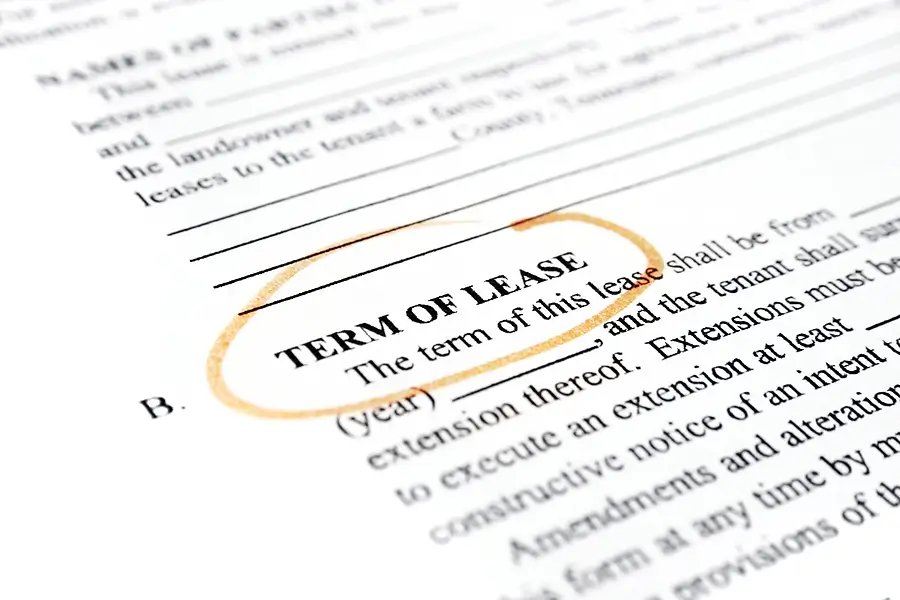
A well-structured lease agreement is more than paperwork. It is a legally binding contract that sets expectations, protects both parties, and establishes a foundation for a positive rental experience. When flexibility is thoughtfully built into that agreement, your rental property becomes more appealing to a wider audience.
Key Takeaways
Flexible lease options can reduce vacancy and increase demand in competitive Milwaukee neighborhoods.
A clear lease agreement protects your interests even when offering month-to-month arrangements.
Renters value adaptable lease terms that align with their personal timelines.
Professional oversight ensures flexibility does not lead to unpaid rent or disputes.
Why Lease Flexibility Matters for Milwaukee Property Owners
Milwaukee renters include professionals relocating for work, students attending local universities, healthcare workers on short-term assignments, and families seeking stability. A rigid leasing structure may unintentionally exclude qualified applicants who simply need a different arrangement. By offering options within your rental agreement, you can appeal to these renters while maintaining control over your investment.
Flexibility does not mean removing safeguards. Residential leases still define rent payments, security deposit requirements, and responsibilities for either the landlord or tenant. The difference lies in how lease terms are structured and adjusted to fit market demand.
When supported by a professional property management company, flexible leasing strategies are implemented with clear documentation and compliance in mind.
Fixed Term and Month-to-Month Lease Options
A fixed-term lease is one of the most common lease structures for residential property. It establishes a set lease term for a fixed period, often twelve months, providing predictability for rent paid and occupancy. While this structure offers stability, it may limit interest from renters seeking shorter commitments.
A month-to-month lease offers ongoing flexibility after the initial lease term ends. Month-to-month arrangements allow either party to adjust with proper notice, which can be appealing in uncertain markets. Many landlords transition tenants to month-to-month after a fixed period to maintain occupancy while retaining flexibility.
Both options can exist within the same rental contract, depending on how the landlord decides to structure renewals and extensions.
How Flexible Lease Terms Attract a Broader Tenant Pool
Flexible residential leases help you reach renters who may otherwise pass on your listing. Shorter commitments, adjustable start dates, or renewal options can be especially attractive in high-demand areas of Milwaukee.
These options also benefit renters who want clarity around initial payments, including the tenant's security deposit and first month's rent. When terms are transparent and adaptable, trust builds early in the leasing process.
Partnering with a team experienced in tenant placement services ensures that flexible terms attract qualified applicants rather than increasing risk.
Protecting Your Investment While Staying Flexible
Flexibility should always be supported by a strong written agreement. Every lease agreement must clearly define expectations for rent payments, handling of a security deposit, and procedures for unpaid rent. Even when tenants lease early or request alternative arrangements, documentation remains critical.
A written agreement ensures that all parties understand their obligations, including how the security deposit is applied, what happens if rent payments are late, and how notices are handled. Flexibility without clarity can lead to disputes, while flexibility with structure builds confidence.
Using proven property management solutions helps ensure that adaptable lease terms remain enforceable and compliant.
Addressing Rent Payments and Lease Adjustments
Flexible lease terms can also include options for adjusting rent payments based on market conditions or lease duration. Shorter terms may justify slightly higher rates, while longer commitments may allow more favorable pricing.
Clear language around rent paid, due dates, and consequences for unpaid rent protects your income while offering tenants clarity. When changes are documented in the rental agreement, misunderstandings are minimized.
In Milwaukee, many successful residential leases include provisions that allow adjustments while remaining fair and transparent.
The Role of Professional Management in Flexible Leasing
Managing flexible residential leases requires attention to detail and local knowledge. A professional property management company understands how to balance adaptability with compliance. From drafting rental agreements to managing tenant communication, professional oversight reduces risk.
Experienced managers also track deadlines, renewals, and transitions between fixed-term and month-to-month arrangements. This oversight helps prevent gaps in occupancy and ensures that rent payments continue without interruption.
For property owners managing multiple units, professional support becomes even more valuable when offering varied lease structures.
Using Technology to Support Flexible Lease Structures
Technology has made it easier to manage flexible leasing while maintaining consistency. Automated reminders, digital signatures, and tracking tools support compliance and efficiency.
Many owners are also exploring automated renewal systems, which can streamline the process while still allowing customization. Understanding how automation fits into leasing strategies is important when balancing flexibility and control, especially in evolving rental markets.
FAQs
Can flexible lease terms increase rental demand in Milwaukee?
Yes. Flexible lease terms appeal to renters with varying timelines, which can increase interest and reduce vacancy periods in competitive neighborhoods.
Are month-to-month leases riskier than fixed-term leases?
Month-to-month arrangements offer flexibility but still require clear documentation to protect against unpaid rent or sudden vacancy.
How does a security deposit work with flexible leases?
A security deposit functions the same regardless of lease structure, provided it is clearly outlined in the rental agreement and handled according to local regulations.
Can either the landlord or tenant change lease terms mid-agreement?
Changes typically require mutual consent and should always be documented in writing to remain enforceable.
Should flexible lease terms be managed professionally?
Professional management helps ensure that flexibility does not lead to compliance issues or income loss, especially when managing multiple residential leases.
Strengthen Your Leasing Strategy with Residential Renters
Flexible lease structures can be a powerful tool when implemented correctly. At Residential Renters, we help Milwaukee property owners design lease agreements that attract qualified tenants while protecting long term value. From customized rental agreements to ongoing support, our team understands how to balance adaptability with accountability.
If you are ready to improve market appeal and reduce vacancy through smarter leasing strategies, connect with our team today and see how professional guidance can elevate your rental performance.
