
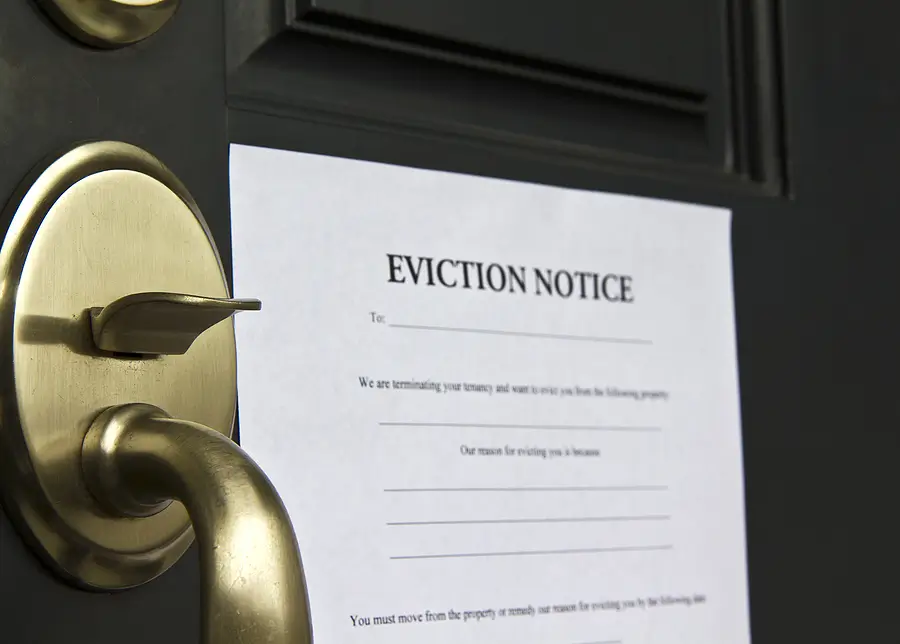
Owning rental property in Milwaukee, WI, offers strong income potential, but it also comes with legal responsibilities. One of the most challenging situations a landlord may face is removing a tenant who has violated the lease. Whether the issue involves unpaid rent, property damage, or repeated lease violations, you must follow Wisconsin eviction laws precisely.
Skipping steps or handling the process incorrectly can lead to delays, dismissed cases, or even legal penalties. Understanding how the eviction process works in Wisconsin helps to protect your property while remaining compliant with state and local regulations.
Key Takeaways
Wisconsin landlords must follow strict legal notice and court procedures before removing a tenant to ensure full compliance with state law.
Organized documentation, including lease agreements, payment records, and written communication, strengthens your position during eviction proceedings.
Court timelines move quickly, making preparation, accuracy, and procedural compliance essential.
Professional guidance reduces costly mistakes, minimizes legal risk, and helps protect your Milwaukee rental investment.
Step 1: Confirm Legal Grounds for Eviction
Before starting the eviction process, a landlord must confirm that lawful grounds exist.
In Wisconsin, common reasons for eviction include:
Nonpayment of rent
Lease violations
Illegal activity on the property
Expired lease without renewal
Repeated nuisance behavior
A landlord cannot evict a tenant for unfair reasons or in retaliation for legitimate complaints. If there is uncertainty about updated landlord responsibilities, reviewing current Wisconsin requirements helps ensure all actions align with state regulations. Maintaining compliance from the beginning protects from countersuits or case dismissals.
Step 2: Serve the Proper Written Notice
The eviction process officially begins with serving the correct written notice. The type of notice depends on the situation.
For nonpayment of rent, you may issue a 5-day notice to pay or vacate for certain lease types. In some cases, a 14-day notice to vacate without the option to cure may apply if prior notices have been issued.
For lease violations unrelated to rent, a notice may be provided, allowing the tenant to correct the issue within a specified timeframe.
The notice must include:
The reason for the eviction
The amount owed, if applicable
The deadline to comply or vacate
Your signature and contact information
Serving the notice properly is critical. Improper delivery can invalidate the entire case. It should keep copies of all notices and document how and when they were delivered.
Step 3: File an Eviction Lawsuit in Court
If the tenant does not comply with the notice, it may file an eviction action in Milwaukee County Circuit Court. This step formally begins the legal process.
It will need:
A copy of the lease agreement
Proof of notice delivery
A rent ledger, if the case involves nonpayment
Documentation of lease violations
The court will schedule a hearing, often within a few weeks of filing. Wisconsin eviction timelines can move quickly, so preparation is essential.
Clear financial records play an important role during court proceedings. If the eviction involves unpaid rent or lease termination fees, detailed payment tracking strengthens your case. Understanding your options when a tenant violates their lease terms can help to anticipate possible disputes over damages or early termination claims.
Step 4: Attend the Court Hearing
At the hearing, both the landlord and the tenant will have an opportunity to present their case. The judge will review the documentation and determine whether the eviction may proceed.
To strengthen the position:
Bring organized copies of all paperwork
Present a clear timeline of events
Remain professional and factual
Avoid emotional arguments
If the judge rules in the landlord's favor, the court will issue a Writ of Restitution. This legal order allows the sheriff to remove the tenant if they do not vacate voluntarily.
If the tenant contests the eviction, additional hearings may be scheduled. Staying organized and compliant with procedural requirements is essential at every stage.
Step 5: Coordinate the Physical Removal if Necessary
If the tenant remains in the property after the court order, the Milwaukee County Sheriff’s Office will carry out the physical eviction. As a landlord, you cannot remove tenants yourself or change locks without legal authorization.
Self-help evictions are illegal in Wisconsin and can result in serious penalties.
After the tenant vacates, it should:
Inspect the property thoroughly
Document damages with photos
Calculate unpaid rent and repair costs
Follow Wisconsin security deposit laws for deductions
Handling this step carefully protects you from further disputes.
Step 6: Prepare the Property for Re-Leasing
Once the unit is vacant, your focus should shift to quickly restoring income. Vacant periods can affect your cash flow, especially if legal costs are involved.
Conduct necessary repairs and ensure the property meets Milwaukee housing standards. Addressing maintenance issues promptly reduces the likelihood of future disputes and improves tenant retention. Flexible leasing strategies can also increase demand, especially in competitive rental markets like Milwaukee. Minimizing downtime between tenants protects your investment and stabilizes your cash flow.
Common Mistakes Milwaukee Landlords Should Avoid
Even experienced landlords can make costly errors during the eviction process. Some of the most common mistakes include:
Serving the wrong notice type
Accepting partial rent after issuing a termination notice
Failing to document communication
Attempting lockouts without court approval
Missing court deadlines
Each mistake can delay the process or result in dismissal. Evictions are procedural. Accuracy matters. Reviewing current landlord legal responsibilities ensures staying aligned with Wisconsin requirements and avoiding preventable setbacks.
FAQs
How long does the eviction process take in Wisconsin?
The timeline varies, but many uncontested evictions can move from notice to court order within several weeks. Contested cases may take longer depending on court scheduling and tenant defenses.
Can I accept rent after serving an eviction notice?
Accepting rent after serving certain types of termination notices may invalidate the notice. You should understand the legal implications before accepting partial payments.
What if the tenant files for bankruptcy?
A bankruptcy filing may temporarily halt eviction proceedings. Legal guidance is strongly recommended in this situation.
Can I evict a tenant for property damage?
Yes, significant property damage may qualify as a lease violation, but proper written notice and documentation are required.
What happens to abandoned property?
Wisconsin law outlines procedures for handling tenant belongings left behind. You must follow state guidelines regarding storage and notification.
5. Do I need an attorney for an eviction?
While not always required, legal support can reduce errors and improve outcomes, especially in contested cases.
Protect Your Milwaukee Rental Investment With Residential Renters
Navigating the Wisconsin eviction process can feel overwhelming, especially when timelines are tight and compliance requirements are strict. Every notice, document, and court appearance matters. Residential Renters helps Milwaukee property owners manage leasing, documentation, and tenant placement with precision and professionalism.
If you want to reduce risk, improve screening, and strengthen your rental operations before problems arise, professional support makes a meaningful difference. Take the next step toward confident property management and connect with us to discuss how your rental portfolio can be better protected.